





The power of goals in therapy: why every achievement matters


Steph Reeves
01 Dec 2025
At BlueRocket Therapy, we know that progress in therapy isn’t just about big leaps; it’s about all the small steps that build toward meaningful change. Whether you’re learning a new skill, gaining confidence, or improving independence, setting and celebrating goals is at the heart of every therapy journey.
Goals help guide therapy sessions, track progress, and make sure we’re always working toward what matters most to you (or your loved one). Every person’s goals look different, and that’s exactly how it should be. Some are short-term and practical, while others are long-term dreams that take time and perseverance. Both are equally important, and both deserve celebration.
🌿 The importance of “scruffy goals”
Not every goal in therapy needs to be perfectly worded or neatly measurable, and that’s where scruffy goals come in. “Scruffy goals” are the real, lived, and often messy goals that truly matter to participants and families. They might not fit neatly into a report or checklist, but they capture what’s most meaningful, like “I want to feel confident leaving the house with my child,” or “I want to enjoy dinner with my family without stress.”
Scruffy goals recognise that life is complex and dynamic, and progress can look different from day to day. They keep therapy person-centred, flexible, and focused on what’struly important to the individual. By acknowledging and celebrating these imperfect but powerful goals, we create space for therapy to be real, relatable, and genuinely life-changing.
💛 Occupational Therapy (OT)
Occupational Therapists help people develop the skills they need for everyday life, from self-care to community participation and meaningful activities.
Examples of OT goals include:
- Daily living skills: Learning to independently prepare a simple meal or snack.
- Community participation: Catching public transport safely and confidently.
- Sensory regulation: Using strategies to stay regulated and focused during school or work tasks.
Each goal builds confidence and independence, helping participants live life on their own terms.
💬 Speech Pathology
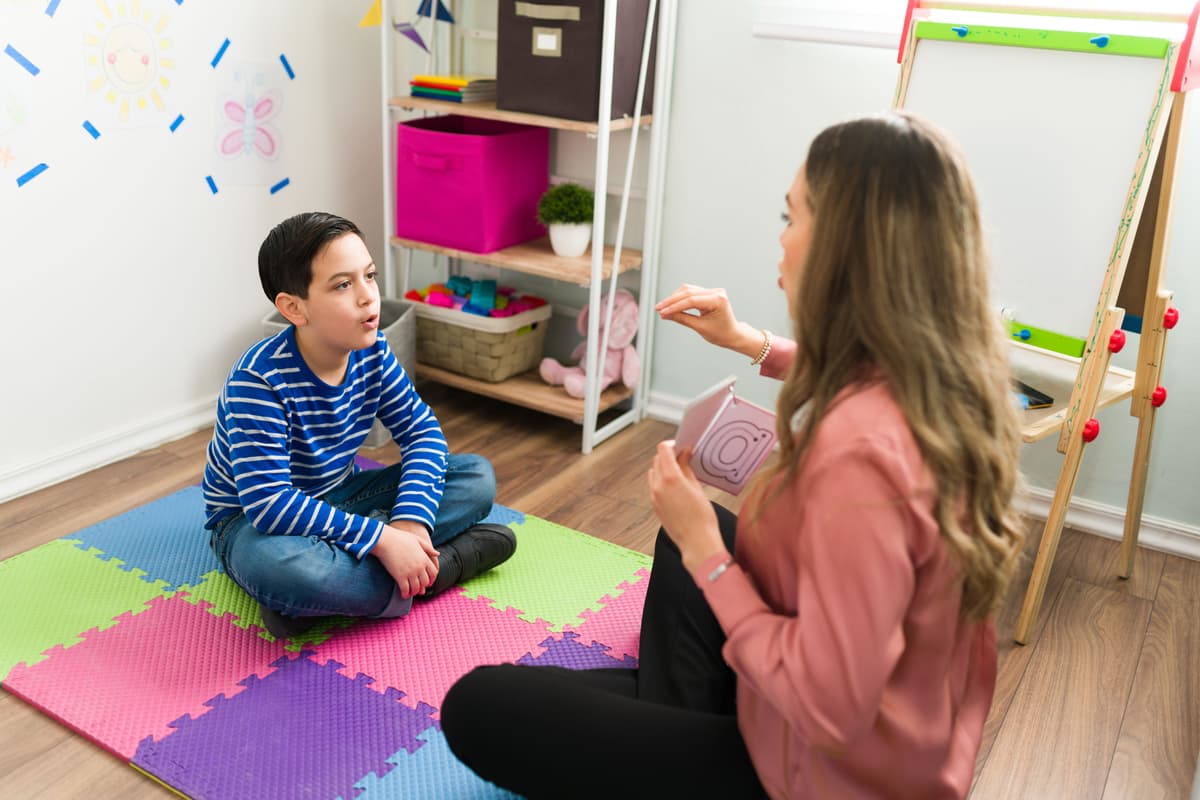
Speech Pathologists support communication and swallowing needs, helping people express themselves and connect with others.
Examples of speech goals include:
- Articulation: Saying specific sounds clearly, such as /r/ or /s/.
- Language development: Expanding sentence length and vocabulary to improve storytelling or conversation skills.
- Social communication: Practising turn-taking and greetings during play or group activities.
These goals empower participants to share their thoughts, needs, and feelings — one word, one sentence, one conversation at a time.
🌈 Early Childhood Intervention (ECI)
Early Childhood Intervention supports young children’s development through play, routine-based learning, and family collaboration.
Examples of ECI goals include:
- Self-care skills: Learning to put on shoes or brush teeth independently.
- Play development: Taking turns or sharing toys with peers during playtime.
- Emotional regulation: Using visuals or words to express feelings instead of frustration or behaviour.
Small, consistent progress in early childhood sets the foundation for lifelong learning and participation.
🍽️ Dysphagia (swallowing therapy)
Dysphagia therapy focuses on safe and enjoyable eating and drinking.
Examples of dysphagia goals include:
- Safety: Safely swallowing a wider variety of food textures and drink consistencies.
- Independence: Managing meals with fewer prompts or supports.
- Quality of life: Enjoying family meals without anxiety or discomfort.
Improving swallowing safety doesn’t just support nutrition — it also supports connection and joy around shared meals.
💻 Assistive Technology (AT)
Assistive Technology helps people increase independence and access to the world around them.
Examples of AT goals include:
- Mobility aids: Learning to operate a powered wheelchair safely and confidently.
- Home modifications: Using adaptive equipment like grab rails or adjustable benches to complete daily tasks.
- Access and participation: Setting up and using technology (like tablets or switches) to engage in education, work or leisure.
With the right technology and training, barriers become opportunities for independence.
🗨️ Augmentative & Alternative Communication (AAC)
AAC supports communication for people who find it difficult to use speech alone.
Examples of AAC goals include:
- Communication access: Learning to use a communication device to make choices or requests.
- Social connection: Using AAC to greet friends, tell jokes, or join conversations.
- Independence: Communicating needs or preferences without relying on a support person.
Each successful interaction builds confidence, autonomy, and connection — which are the true goals of communication.
🎉 Celebrating every goal
At BlueRocket, we celebrate every win — whether it’s taking a first step, saying a new word, or mastering a new skill. Because every achievement, no matter how small or “scruffy,” represents hard work, determination and growth.
So, whatever your goals may be, remember: every step forward is worth celebrating.
Posts by Steph Reeves
Therapy Approaches and Practices
Jul 18, 2026
Home visits, telehealth, school or clinic? Choosing the right therapy setting for your participant
Steph Reeves / min read
Therapy Approaches and Practices
Jun 25, 2026
Neurodiversity-affirming therapy: What it means and what to look for
Steph Reeves / min read
Therapy Approaches and Practices
Jun 09, 2026
The First Assessment Package
Steph Reeves / min read
Family and Carer Support
May 19, 2026
Supporting your child's development: a guide for parents of 2 to 5 year olds
Steph Reeves / min read
NDIS Guides and Resources
May 13, 2026
What is dysphagia? Understanding swallowing difficulties
Steph Reeves / min read

NDIS Guides and Resources
Apr 15, 2026
Getting NDIS goals right: a practical guide for therapists and families
Steph Reeves / min read
Join our Newsletter
Get the latest allied health insights straight to your inbox.