








Achieving therapy progress over the summer break

Steph Reeves
26 Nov 2025
As we move toward the end of the year, many families start thinking about what therapy might look like during the summer break. January and February feel quite different for families whose children usually receive support at school. Routines shift, schools close, and families often take well-deserved rest time.
For some families this means therapy naturally pauses, simply because school sessions are not available during this time. When this happens, the break can end up being longer than intended, especially if sessions rely on school availability. Sometimes therapy stops in mid-December and does not restart until late February or early March.
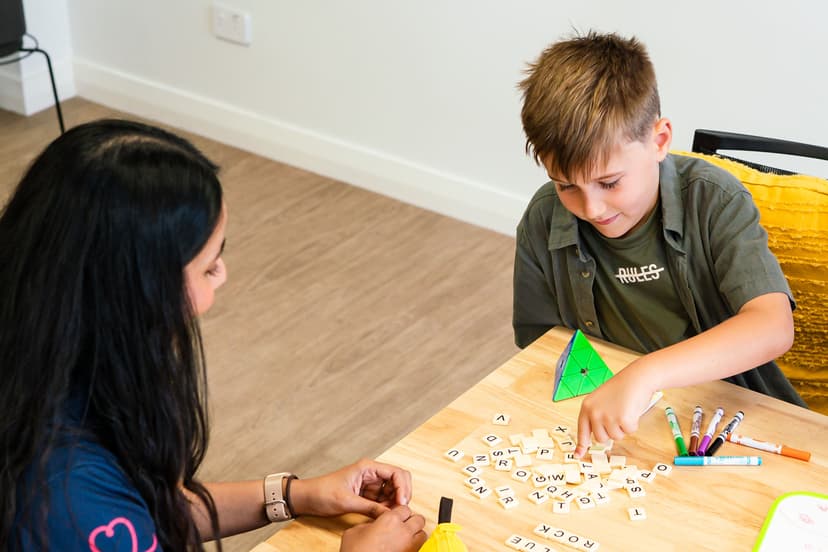
Every child learns differently. Some continue progressing steadily with family routines and natural opportunities to practise skills. Others benefit from a little extra support during long breaks to help maintain momentum or to feel more confident moving into a new school year.
There is no right or wrong way to approach the holiday period. Our role is to explore flexible options that match your child’s needs, your family’s routines, and your capacity during what can be a busy season.
Here are a few supports that families sometimes find helpful in January and February
1. Assessments
The quieter period can be a good time to complete assessments that are harder to schedule during the term, such as communication, handwriting, mealtime, or functional capacity assessments.
2. Short, Targeted Therapy Blocks
Some families choose a short series of sessions focused on a specific area, such as:
• school or kindergarten transition
• toilet learning
• community access or public transport independence
• daily living skills
• supporting teens with new routines
3. Therapy in Different Environments
When school isn’t available, therapy can continue in places that feel comfortable and meaningful for your child:
• home visits
• community-based sessions
• telehealth
Many children enjoy practising skills in familiar real-life settings.
4. Goal Setting for the Year Ahead
January and February can also be a useful time to reflect on progress, update goals, and prepare early for NDIS reviews so the new year feels more organised.
Your therapist will work with you to explore which, if any, of these options feel right for your child and your family. Our aim is simply to support your child’s wellbeing, confidence, and communication in ways that fit your values and daily life.
If you have any questions or would like to chat through possibilities, we’re here to help.
Contact Us
Posts by Steph Reeves

Therapy Approaches and Practices
Jul 18, 2026
Home visits, telehealth, school or clinic? Choosing the right therapy setting for your participant
Steph Reeves / min read

Therapy Approaches and Practices
Jun 25, 2026
Neurodiversity-affirming therapy: What it means and what to look for
Steph Reeves / min read

Therapy Approaches and Practices
Jun 09, 2026
The First Assessment Package
Steph Reeves / min read
Family and Carer Support
May 19, 2026
Supporting your child's development: a guide for parents of 2 to 5 year olds
Steph Reeves / min read

NDIS Guides and Resources
May 13, 2026
What is dysphagia? Understanding swallowing difficulties
Steph Reeves / min read

NDIS Guides and Resources
Apr 15, 2026
Getting NDIS goals right: a practical guide for therapists and families
Steph Reeves / min read
Join our Newsletter
Get the latest allied health insights straight to your inbox.