






Assistive technology (AT) made simple: A guide to having AT funded

What is assistive technology?
In the NDIS space, assistive technology refers to any device, equipment or system that helps a person with disability perform tasks they might otherwise find difficult or impossible. AT can range from simple items like modified cutlery or grab rails to more advanced solutions such as communication devices, home modifications, or customised mobility equipment.
AT is always tailored to the person’s individual needs, environment, and goals, supporting them to live more independently, participate in meaningful activities, and improve their overall quality of life.
Types of assistive technology
Assistive technology is often grouped into three levels:
- Low-cost AT: Simple, everyday items that are low-cost and easy to use (e.g. shower chairs, grab rails, adapted utensils).
- Mid-cost AT: Equipment that may need assessment, setup or training (e.g. mobility scooters, specialised seating, adjustable beds).
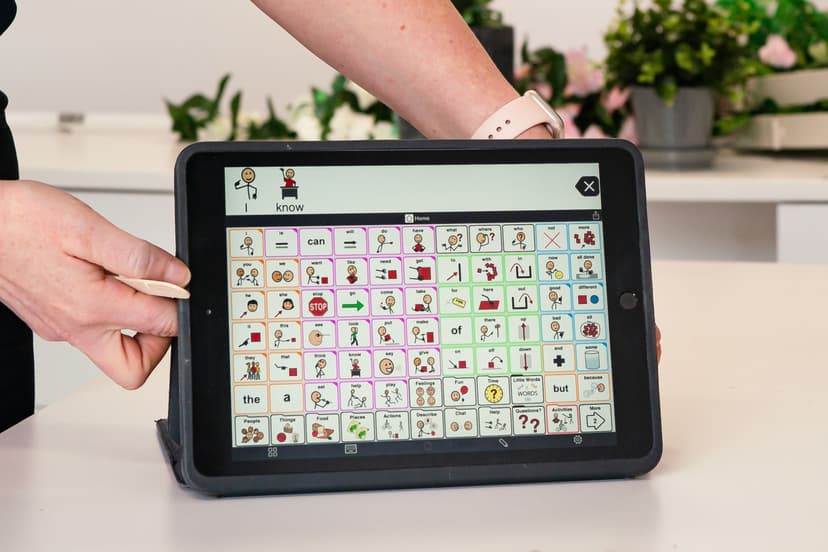
- High-cost AT: Customised or high-tech solutions requiring detailed assessment and ongoing support (e.g. powered wheelchairs, augmentative and alternative communication devices, home automation systems).
Each type plays a vital role in enhancing independence, safety and participation - and the right AT can transform how someone engages with their daily life.
How AT supports NDIS participants
Assistive technology empowers participants to live more independently by increasing safety and participation in daily activities, overcoming barriers caused by their environment or disability, and enabling them to complete essential tasks such as mobility, communication, community access, and personal care. It supports meaningful engagement and enhances overall quality of life.
The AT funding process in the NDIS
The NDIS can fund assistive technology if it is considered reasonable and necessary to support a participant’s goals. The funding pathway depends on the type and complexity of the AT:
- Low-cost AT may be purchased directly from your Core Supports budget, with guidance from your therapy team.
- Mid or high-cost AT usually requires funding under Capital Supports, supported by evidence such as an occupational therapy assessment and supplier quotes.
What does the typical AT funding process look like?
- Assessment: An allied health professional (often an occupational therapist) assesses the participant’s needs, environment and goals.
- Trials: Equipment is trialled to ensure it is safe, effective, and the right fit.
- Recommendations: The therapist prepares a detailed AT report outlining why the item is reasonable and necessary.
- Quotes: Supplier quotes are obtained and included with the report.
- NDIS Review: The report and quotes are submitted to the NDIA for funding approval.
- Implementation: Once approved, the equipment is purchased, delivered, and setup, with training and follow-up support provided.
The role of allied health professionals
Allied health professionals play a central role in the assistive technology process. They assess functional needs and identify barriers, recommend safe and individualised AT solutions, support equipment trials and provide training, and prepare detailed documentation and reports for NDIS funding. They also ensure the chosen technology is appropriate, safe and aligned with the participant’s goals, maximising its effectiveness in supporting independence and participation.
Tips for successful AT requests
To make the process smoother and more effective, consider the following tips:
- Be clear about your goals: Think about what you want to achieve with the AT (e.g., greater independence at home, safer transfers, improved communication).
- Gather supporting evidence: Medical reports, therapy assessments, and functional information strengthen your request.
- Trial equipment when possible: Demonstrating that the AT is safe and effective helps justify funding.
- Work closely and be open with your therapist: Collaboration and honest feedback ensures the AT chosen truly meets your needs.
- Plan ahead: AT requests can take time so start the process early to avoid delays.
Final thoughts
Assistive technology is about more than just equipment, it’s about empowering people to live the lives they choose. With the right AT, NDIS participants can break down barriers, engage in meaningful activities, and achieve their goals with greater independence and confidence. In some cases, it can be truly life changing.
If you or someone you support could benefit from assistive technology, reach out to our therapy team. We’re here to guide you through the assessment and funding process and ensure you get the right solutions to support your journey.

Join our Newsletter
Get the latest allied health insights straight to your inbox.